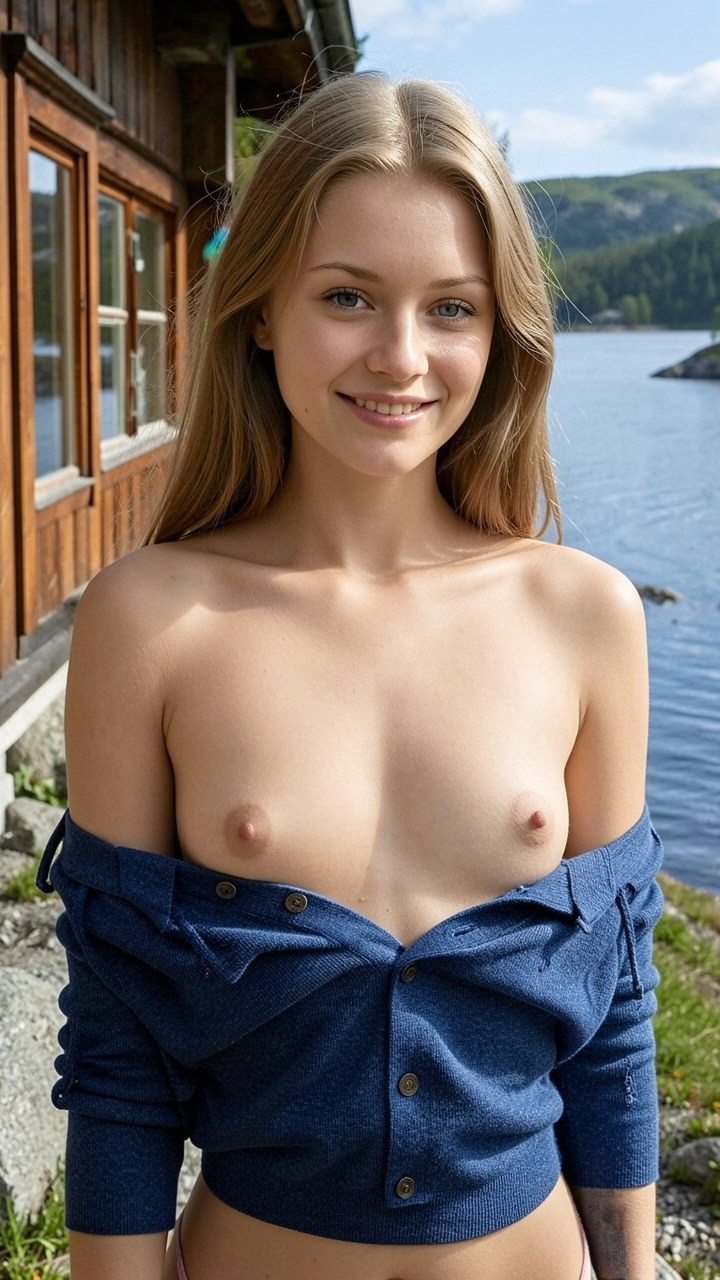
The ability to describe your ideal companion in words and receive a visual realization moments later remains one of the most remarkable capabilities of modern AI. But the gap between what you imagine and what you get often comes down to how well you can translate your vision into language the AI can work with. Here is how to describe your dream AI girl effectively.
Think Like a Photographer
Professional photographers think about their shots in terms of subject, composition, lighting, and mood. Adopting this mental framework dramatically improves AI image prompts. Instead of describing a person abstractly (“beautiful and kind”), describe her as she would appear in a specific photograph — what is she doing, where is she, what light is falling on her, what is the mood of the image?
Layer Your Description
Build your description in layers. Start with the broadest characteristics (age range, general appearance, style), then add specific details (eye shape, hair texture, specific outfit elements), then add environmental context (setting, lighting, time of day), then add mood and expression (warm smile, thoughtful gaze, playful expression). This layered approach gives the AI a rich, multidimensional description to work with.
Use Reference Points Thoughtfully
References to specific aesthetic traditions are useful: “editorial fashion photography style,” “soft portraiture aesthetic,” “anime character design.” These give the model a clear aesthetic framework to work within. Avoid references to specific real people — AI generators are generally designed to avoid generating likenesses of named individuals.
The Importance of Specificity
Vague prompts produce generic results. “Beautiful woman with blue eyes” will produce a competent but undistinctive image. “Young woman with deep sapphire blue eyes, warm golden-brown hair falling in soft waves to her shoulders, wearing an off-white linen shirt, sitting in warm afternoon light, soft expression, slightly amused” produces something much more specific and interesting.
Iterate and Refine
Rarely does a first prompt produce the perfect image. Generate multiple results, identify what you like and dislike about each, and adjust your prompt accordingly. Treat it as a creative conversation with the AI. Find platforms with the best text-to-image capabilities in our AI Girlfriend Directory.